Categories
Social justice

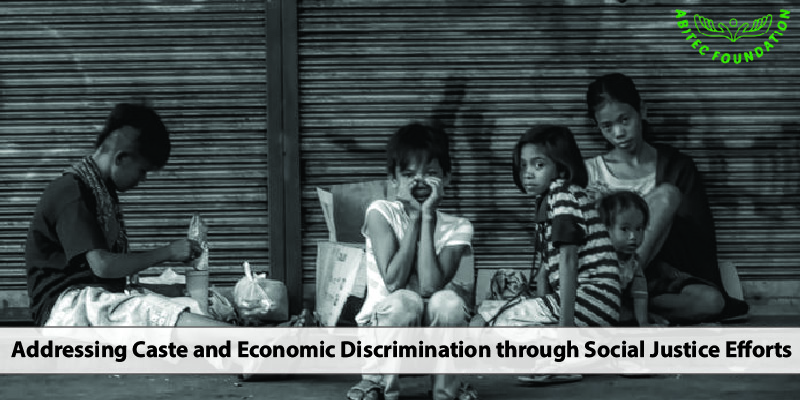
Addressing Caste and Economic Discrimination through Social Justice Efforts

Have you ever wondered why some social systems continue even when they clearly hold people back? This question may seem simple, but it shows how strongly society and tradition shape daily life. In India, where inequality still keeps many from education, healthcare, and opportunities, NGOs are stepping up. Through efforts against caste discrimination in India, they are helping communities find confidence, get support, and take control of their futures.

Understanding Discrimination and Inequality

Discrimination can show up in obvious ways or in ways that are harder to see, but it always has a big impact. Many communities face challenges because of their caste, gender, or economic background, stopping them from going to school, finding jobs, or having a voice in important decisions. These barriers don’t just hold back a person—they affect the progress of entire communities.

Many NGOs run social justice campaigns to challenge these barriers. By teaching people about their rights and encouraging open discussions, these groups help people recognise when they’re being treated unfairly and take action. The goal isn’t only awareness—it’s about shifting mindsets and behaviours.

Tackling Economic and Educational Gaps

Economic disadvantage often goes hand in hand with limited education. Many children fall behind in school because they can’t afford the basics, and families often stay trapped in poverty. NGOs provide the support they need to change that.

Children from financially struggling families often face barriers to getting an education. Addressing economic inequality, NGO can bring learning opportunities through free schools, mobile classrooms, and vocational programmes. These initiatives help children gain knowledge, practical skills, and the confidence to shape their own futures.

Check This Out: School Dropouts in India: What’s Causing It and How to Solve It

Protecting Rights and Fighting Exploitation

Often, discrimination goes together with people being denied their basic human rights. Labour exploitation, gender-based violence, and lack of legal protection are just some of the challenges faced by marginalised communities. NGOs step in with legal aid, counselling, and advocacy to ensure that these injustices do not continue unchecked.

Programs focused on child marriage, gender-based violence, and women’s empowerment show the impact of initiatives for social inclusion in India. Women who are educated, confident, and financially independent don’t just change their own lives—they also make a positive impact on their families and communities.

Health, Environment, and Sustainable Growth

The idea of social justice isn’t limited to schools or legal systems. Many rural areas still face serious healthcare challenges. Mobile clinics, telemedicine, and health awareness programmes ensure that treatment reaches those who might otherwise go without help.

Communities are discovering practical ways to care for the planet. From gentle farming methods to using renewable energy and keeping their surroundings clean, people are learning to work together. Combining fairness with caring for the planet helps communities gain confidence and handle challenges together.

How You Can Make a Difference

Supporting social justice can start with simple actions. Every little effort counts when it comes to advancing equality for disadvantaged groups. Here’s how to get involved:

  • Volunteer your time with organisations working in education, healthcare, or women’s empowerment.
  • Donate or contribute to support programmes that provide scholarships, legal aid, or vocational training.
  • Start conversations about social issues in your community by sharing facts and information with others.
  • Be part of movements that advocate for fairness, inclusion, and positive changes in policies.
  • Join efforts that provide communities with the knowledge and support to create positive change in their lives.

Even small contributions matter. Every step helps communities grow stronger, empowers people, and brings long-lasting change for future generations.

Conclusion

Real change needs both effort and belief. When people learn new skills, gain confidence, and have the tools they need, they start taking control of their own lives. NGOs do a lot to help communities by providing things like schools, healthcare, legal advice, women’s leadership programmes, and projects that take care of the environment. By confronting caste discrimination in India, communities can become stronger, more equal, and filled with hope for the future.

Be part of Abitec Foundation’s work to create opportunities, promote equality, and empower communities. Let’s work together to make communities where everyone can reach their potential, whatever their background. Join us today!

Frequently Asked Questions

  1. Why do some social systems continue even when they hold people back?

Social systems are deeply shaped by tradition, culture, and human behavior, which can perpetuate inequality even when it limits opportunities.

  1. How do NGOs help tackle inequality in India?

NGOs promote community empowerment in India by providing education, healthcare, legal support, women’s leadership programmes, and sustainable initiatives.

  1. How can individuals contribute to social justice efforts?

Simple actions, such as volunteering, donating, sharing awareness, or supporting campaigns for fairness and inclusion, can help communities thrive.

Categories
NGO impact

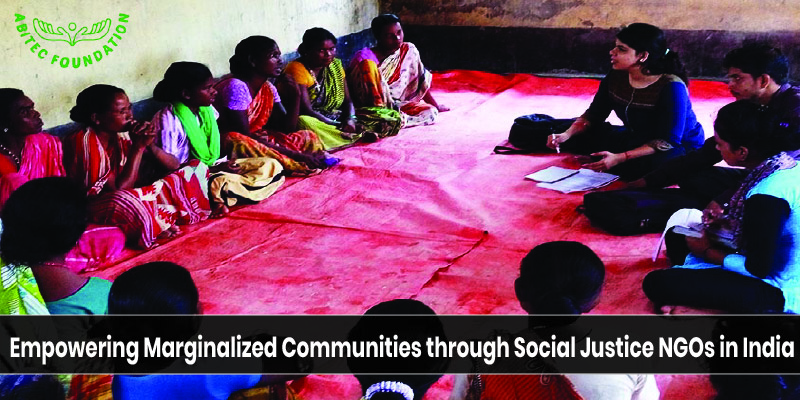
Empowering Marginalized Communities through Social Justice NGOs in India

India has a lot of diversity, but daily life is still unfair for many people. Schools, healthcare, and basic rights are often hard to reach. NGOs play a big role in creating a fair and inclusive society for everyone. Their dedication and compassion reflect the true essence of community empowerment in India, opening doors for those often overlooked. Their goal is to help people feel confident and take charge of their own futures.

  1. Driving Change through Local Action

NGOs work with communities, understanding their struggles and needs. They succeed because they stay involved with the communities they support. By running social justice programs, they teach about discrimination, promote equality, and create safe spaces to talk. This helps people understand their rights and gives them the confidence to stand up for themselves.

From helping with schools and healthcare to supporting women, their projects show that real change usually begins within the community.

Read This: Why Domestic Violence Victims Don’t Speak Up and How NGOs Support

  1. Pioneering Education Initiatives

Education has always been a key area of focus for NGOs. In many underprivileged areas, children still face barriers like poverty, distance, and lack of infrastructure. NGOs use local and creative ideas to make learning fun for children and open to everyone.

They do this by:

  • Running free schools, after-school sessions, and mobile classrooms to reach every child who wants to learn.
  • Distributing study materials, uniforms, and scholarships.
  • Encouraging girl child education in areas where it is often neglected.

These initiatives go beyond textbooks. NGOs bring energy and excitement into learning, sparking curiosity and confidence while teaching practical skills like computer literacy and hands-on training. In doing so, they help children move closer to a future full of choices and hope.

  1. Innovative Healthcare for Lasting Impact

Access to healthcare continues to be a challenge in many rural and marginalised areas. NGOs lead the way in taking healthcare beyond hospitals and cities. Through mobile clinics, telemedicine, and health awareness drives, they reach people who might otherwise have no access to treatment.

Their work focuses on long-term solutions, such as preventive care and community education. Offering marginalized groups support, NGOs help families make wise health choices and train local health workers so communities can stay healthy on their own.

  1. Empowering Women to Lead Change

Empowering women through learning, leadership, and financial independence has a ripple effect on families and communities. NGOs across India are helping women step into their strength and potential.

Their programmes often include:

  • Self-help groups that promote saving and entrepreneurship.
  • Legal awareness and aid for women facing discrimination or abuse.
  • Initiatives aimed at ending child marriage and tackling gender-based violence.

By taking part in decision-making and community leadership, women gain more equality while helping to strengthen their entire community.

  1. Protecting the Environment Together

Many NGOs are turning communities into protectors of their environment. From eco-conscious farming to waste reduction and renewable energy awareness, they are guiding communities toward a more sustainable future. These efforts ensure that people can build livelihoods while preserving the planet.

These projects are a true example of grassroots social change, with local residents joining in to take care of their environment and share responsibility for their communities. In turn, they gain valuable knowledge about sustainability and climate resilience, which benefits both current and future generations.

  1. Raising Voices for Justice

Advocacy is a powerful part of NGO work. Many organisations help communities express their needs and influence public policies. Through campaigns, public dialogues, and partnerships with local authorities, they bring attention to the issues affecting marginalised groups.

These ongoing efforts demonstrate the real NGO impact in India, shaping fair policies and meaningful programmes. By supporting unheard voices, these organisations ensure that progress reaches every community, not just cities or privileged groups.

Building a Future of Equality

Change takes time, yet NGOs make it real through steady effort and compassion. Their work captures the spirit of community empowerment in India, helping people gain the courage to build their own futures.

To take this spirit forward, Abitec Foundation invites individuals, partners, and volunteers to be part of this movement. Every effort counts, whether it is supporting education, health, or livelihood projects. Together, we can build communities that are stronger, fairer, and full of opportunity for all!

Frequently Asked Questions

  1. What does community empowerment in India mean?

It means giving marginalised groups access to education, healthcare, and opportunities to improve their lives.

  1. Why is community empowerment important?

It helps build stronger, fairer communities where everyone has a chance to thrive.

  1. How do NGOs help create a fair and inclusive society in India?

NGOs work directly with communities to provide education, healthcare, and social programs that empower marginalised groups.