Categories
Social justice

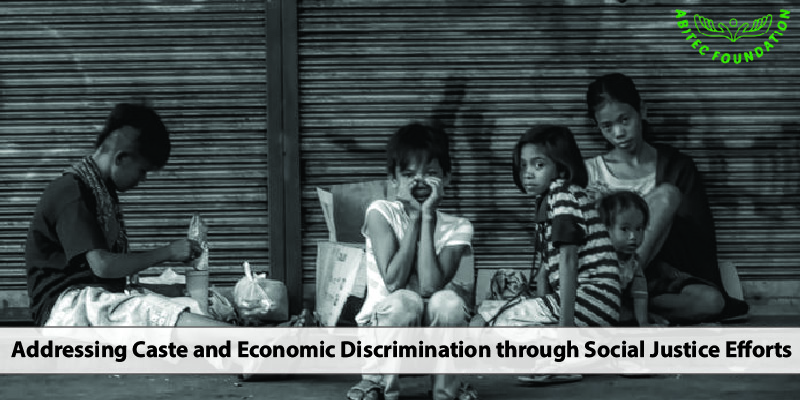
Addressing Caste and Economic Discrimination through Social Justice Efforts

Have you ever wondered why some social systems continue even when they clearly hold people back? This question may seem simple, but it shows how strongly society and tradition shape daily life. In India, where inequality still keeps many from education, healthcare, and opportunities, NGOs are stepping up. Through efforts against caste discrimination in India, they are helping communities find confidence, get support, and take control of their futures.

Understanding Discrimination and Inequality

Discrimination can show up in obvious ways or in ways that are harder to see, but it always has a big impact. Many communities face challenges because of their caste, gender, or economic background, stopping them from going to school, finding jobs, or having a voice in important decisions. These barriers don’t just hold back a person—they affect the progress of entire communities.

Many NGOs run social justice campaigns to challenge these barriers. By teaching people about their rights and encouraging open discussions, these groups help people recognise when they’re being treated unfairly and take action. The goal isn’t only awareness—it’s about shifting mindsets and behaviours.

Tackling Economic and Educational Gaps

Economic disadvantage often goes hand in hand with limited education. Many children fall behind in school because they can’t afford the basics, and families often stay trapped in poverty. NGOs provide the support they need to change that.

Children from financially struggling families often face barriers to getting an education. Addressing economic inequality, NGO can bring learning opportunities through free schools, mobile classrooms, and vocational programmes. These initiatives help children gain knowledge, practical skills, and the confidence to shape their own futures.

Check This Out: School Dropouts in India: What’s Causing It and How to Solve It

Protecting Rights and Fighting Exploitation

Often, discrimination goes together with people being denied their basic human rights. Labour exploitation, gender-based violence, and lack of legal protection are just some of the challenges faced by marginalised communities. NGOs step in with legal aid, counselling, and advocacy to ensure that these injustices do not continue unchecked.

Programs focused on child marriage, gender-based violence, and women’s empowerment show the impact of initiatives for social inclusion in India. Women who are educated, confident, and financially independent don’t just change their own lives—they also make a positive impact on their families and communities.

Health, Environment, and Sustainable Growth

The idea of social justice isn’t limited to schools or legal systems. Many rural areas still face serious healthcare challenges. Mobile clinics, telemedicine, and health awareness programmes ensure that treatment reaches those who might otherwise go without help.

Communities are discovering practical ways to care for the planet. From gentle farming methods to using renewable energy and keeping their surroundings clean, people are learning to work together. Combining fairness with caring for the planet helps communities gain confidence and handle challenges together.

How You Can Make a Difference

Supporting social justice can start with simple actions. Every little effort counts when it comes to advancing equality for disadvantaged groups. Here’s how to get involved:

  • Volunteer your time with organisations working in education, healthcare, or women’s empowerment.
  • Donate or contribute to support programmes that provide scholarships, legal aid, or vocational training.
  • Start conversations about social issues in your community by sharing facts and information with others.
  • Be part of movements that advocate for fairness, inclusion, and positive changes in policies.
  • Join efforts that provide communities with the knowledge and support to create positive change in their lives.

Even small contributions matter. Every step helps communities grow stronger, empowers people, and brings long-lasting change for future generations.

Conclusion

Real change needs both effort and belief. When people learn new skills, gain confidence, and have the tools they need, they start taking control of their own lives. NGOs do a lot to help communities by providing things like schools, healthcare, legal advice, women’s leadership programmes, and projects that take care of the environment. By confronting caste discrimination in India, communities can become stronger, more equal, and filled with hope for the future.

Be part of Abitec Foundation’s work to create opportunities, promote equality, and empower communities. Let’s work together to make communities where everyone can reach their potential, whatever their background. Join us today!

Frequently Asked Questions

  1. Why do some social systems continue even when they hold people back?

Social systems are deeply shaped by tradition, culture, and human behavior, which can perpetuate inequality even when it limits opportunities.

  1. How do NGOs help tackle inequality in India?

NGOs promote community empowerment in India by providing education, healthcare, legal support, women’s leadership programmes, and sustainable initiatives.

  1. How can individuals contribute to social justice efforts?

Simple actions, such as volunteering, donating, sharing awareness, or supporting campaigns for fairness and inclusion, can help communities thrive.
Categories
Uncategorized

Hotslots Responsible Play: Controls, Limits, and Support

Hotslots integrates responsible-play tools and account protections into its platform structure, allowing players to establish personal boundaries before financial or time commitments escalate. The casino offers a suite of controls – deposit ceilings, wager limits, loss thresholds, and session timers – designed to work together rather than in isolation. Understanding which tools suit individual play patterns helps players maintain agency over their gambling activity. This article examines how Hotslots’ safety features function, what checks matter most before play, and how support operates when limits need adjustment.

Account restrictions and self-exclusion requests are permanent decisions that deserve careful consideration. Hotslots enforces a 24-hour mandatory cooling-off period whenever self-exclusion is activated, giving players time to reconsider without pressure. The same waiting period applies if a player later wishes to modify or end an existing self-exclusion early. Beyond self-imposed limits, https://hotslots.eu.com/ provides guidance on recognising unhealthy play patterns and connecting with external support organisations. Players should also check their local gambling regulations, as some jurisdictions impose additional protections or reporting standards that override platform defaults.

Hotslots embeds control mechanisms throughout the gaming experience rather than relegating them to fine print. Deposit limits let players set a ceiling on how much they can add to their account during a chosen timeframe, while wager limits cap the amount staked per session or day. Loss limits function as a safety net, automatically halting play once a threshold is reached. Session time limits encourage regular breaks by ending active play after a set duration. These tools work best when activated before play begins, giving players a structured boundary rather than relying on willpower alone.

Personal Controls and Limits to Set

  • Set deposit limits before each play session to cap the funds you add and prevent overspending across multiple deposits.
  • Use wager limits to restrict the amount staked per bet or per day, controlling the pace and scale of play.
  • Activate loss limits so your account automatically halts when you reach a predetermined maximum loss threshold.
  • Enable session timers to receive alerts or automatic logout after a set duration, enforcing regular breaks.
  • Request self-exclusion for days, weeks, or months when you feel play is becoming unmanageable or unsustainable.
  • Review your limits monthly and adjust them if your financial or time circumstances change significantly.

The platform incorporates mandatory cooling-off periods to protect players reconsidering major account changes. When someone requests self-exclusion – a tool that locks the account for a defined period – a 24-hour cooling-off window applies. This delay prevents impulsive decisions made during intense play sessions. Similarly, if a player later attempts to shorten or remove a self-exclusion, the same 24-hour buffer reactivates, ensuring decisions are deliberate rather than reactive. Once a self-exclusion term expires naturally, the account remains closed until the player actively reopens it, maintaining that protective layer.

When Cooling-Off Periods and Support Matter

  • A 24-hour cooling-off period applies every time you request self-exclusion or attempt to shorten an existing exclusion early.
  • Contact support in English, Ukrainian, Polish, or Russian if you need help activating limits or understanding how they work.
  • If you forget your limits during play, request an immediate account lock from support rather than waiting for a timer to expire.
  • Funds cannot be withdrawn until they have been wagered at least once, so avoid depositing more than you intend to play.
  • The EUR 5,000 daily withdrawal limit prevents large cash-outs and protects against impulsive decisions after a winning session.
  • External helplines and counselling services exist outside Hotslots; use them if self-imposed controls no longer feel sufficient.

Core Protective Tools and Their Mechanics

Control or Signal How It Works on Hotslots Why It Protects Your Play
Deposit limit Caps the total amount you can add to your account per day, week, or month. Prevents reactive top-ups during losing streaks and enforces a hard spending boundary.
Wager limit Restricts the amount you can stake per spin, hand, or day. Slows the pace of play and reduces the speed at which your balance depletes.
Loss limit Automatically stops play once your losses reach your chosen threshold. Forces a break before emotions override logic and losses spiral further.
Session timer Logs you out after a preset duration or sends a reminder to take a break. Interrupts extended play sessions and ensures you step away before fatigue sets in.
24-hour cooling-off Applied when you request self-exclusion or attempt to modify an active exclusion. Creates a pause for reflection, preventing same-day reversal of exclusion requests made in frustration.
EUR 5,000 daily withdrawal cap You can withdraw a maximum of EUR 5,000 every 24 hours. Limits the size of rapid cash-outs and slows access to winnings when judgment may be impaired.

Support availability matters when responsible-play tools are activated or when questions arise about account restrictions. Hotslots provides contact options including phone support and operates across multiple languages – English, Ukrainian, Polish, and Russian – so players can reach help in their preferred tongue. Payment operations also reflect player protection: funds deposited cannot be withdrawn until they have been wagered at least once, preventing rapid cash cycling. A 24-hour withdrawal cap of EUR 5,000 per day further limits exposure, and refunds typically process within five working days.

Categories
NGO impact

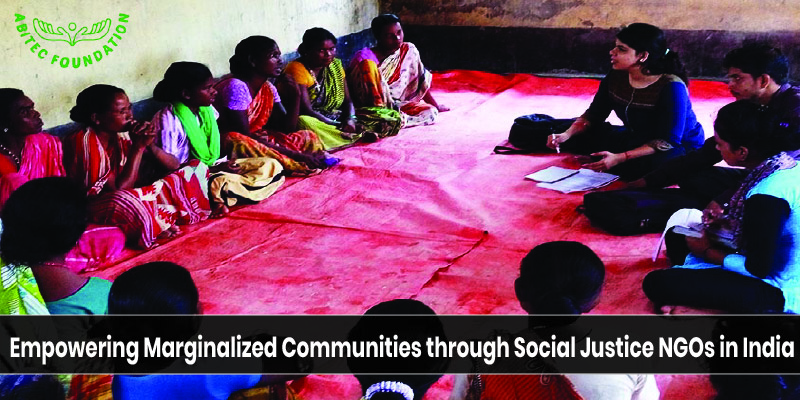
Empowering Marginalized Communities through Social Justice NGOs in India

India has a lot of diversity, but daily life is still unfair for many people. Schools, healthcare, and basic rights are often hard to reach. NGOs play a big role in creating a fair and inclusive society for everyone. Their dedication and compassion reflect the true essence of community empowerment in India, opening doors for those often overlooked. Their goal is to help people feel confident and take charge of their own futures.

  1. Driving Change through Local Action

NGOs work with communities, understanding their struggles and needs. They succeed because they stay involved with the communities they support. By running social justice programs, they teach about discrimination, promote equality, and create safe spaces to talk. This helps people understand their rights and gives them the confidence to stand up for themselves.

From helping with schools and healthcare to supporting women, their projects show that real change usually begins within the community.

Read This: Why Domestic Violence Victims Don’t Speak Up and How NGOs Support

  1. Pioneering Education Initiatives

Education has always been a key area of focus for NGOs. In many underprivileged areas, children still face barriers like poverty, distance, and lack of infrastructure. NGOs use local and creative ideas to make learning fun for children and open to everyone.

They do this by:

  • Running free schools, after-school sessions, and mobile classrooms to reach every child who wants to learn.
  • Distributing study materials, uniforms, and scholarships.
  • Encouraging girl child education in areas where it is often neglected.

These initiatives go beyond textbooks. NGOs bring energy and excitement into learning, sparking curiosity and confidence while teaching practical skills like computer literacy and hands-on training. In doing so, they help children move closer to a future full of choices and hope.

  1. Innovative Healthcare for Lasting Impact

Access to healthcare continues to be a challenge in many rural and marginalised areas. NGOs lead the way in taking healthcare beyond hospitals and cities. Through mobile clinics, telemedicine, and health awareness drives, they reach people who might otherwise have no access to treatment.

Their work focuses on long-term solutions, such as preventive care and community education. Offering marginalized groups support, NGOs help families make wise health choices and train local health workers so communities can stay healthy on their own.

  1. Empowering Women to Lead Change

Empowering women through learning, leadership, and financial independence has a ripple effect on families and communities. NGOs across India are helping women step into their strength and potential.

Their programmes often include:

  • Self-help groups that promote saving and entrepreneurship.
  • Legal awareness and aid for women facing discrimination or abuse.
  • Initiatives aimed at ending child marriage and tackling gender-based violence.

By taking part in decision-making and community leadership, women gain more equality while helping to strengthen their entire community.

  1. Protecting the Environment Together

Many NGOs are turning communities into protectors of their environment. From eco-conscious farming to waste reduction and renewable energy awareness, they are guiding communities toward a more sustainable future. These efforts ensure that people can build livelihoods while preserving the planet.

These projects are a true example of grassroots social change, with local residents joining in to take care of their environment and share responsibility for their communities. In turn, they gain valuable knowledge about sustainability and climate resilience, which benefits both current and future generations.

  1. Raising Voices for Justice

Advocacy is a powerful part of NGO work. Many organisations help communities express their needs and influence public policies. Through campaigns, public dialogues, and partnerships with local authorities, they bring attention to the issues affecting marginalised groups.

These ongoing efforts demonstrate the real NGO impact in India, shaping fair policies and meaningful programmes. By supporting unheard voices, these organisations ensure that progress reaches every community, not just cities or privileged groups.

Building a Future of Equality

Change takes time, yet NGOs make it real through steady effort and compassion. Their work captures the spirit of community empowerment in India, helping people gain the courage to build their own futures.

To take this spirit forward, Abitec Foundation invites individuals, partners, and volunteers to be part of this movement. Every effort counts, whether it is supporting education, health, or livelihood projects. Together, we can build communities that are stronger, fairer, and full of opportunity for all!

Frequently Asked Questions

  1. What does community empowerment in India mean?

It means giving marginalised groups access to education, healthcare, and opportunities to improve their lives.

  1. Why is community empowerment important?

It helps build stronger, fairer communities where everyone has a chance to thrive.

  1. How do NGOs help create a fair and inclusive society in India?

NGOs work directly with communities to provide education, healthcare, and social programs that empower marginalised groups.