Categories
Domestic violence

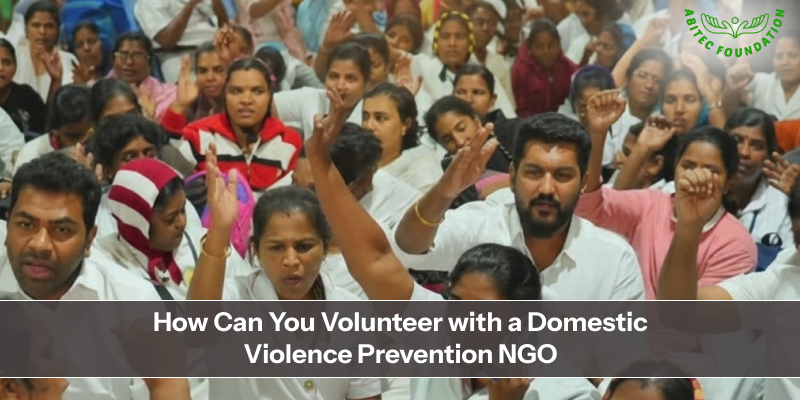
How Can You Volunteer with a Domestic Violence Prevention NGO

Volunteering with a domestic violence prevention NGO is about being there when it matters. These organizations help individuals leave unsafe homes, spread awareness in communities, and work toward creating safer spaces for everyone. If you have ever wanted to help but were not sure where you would fit, volunteering is a good way to begin. You can work directly with survivors or help out in quieter ways behind the scenes.

Even a few hours can help more than you might think. What you bring might feel small, but it truly matters. Volunteering also helps you learn, grow, and use your skills for something that actually feels meaningful. Let’s look at the different ways you can get involved.

Why Volunteer with a Domestic Violence Prevention NGO

Stopping abuse is not only about stepping in during emergencies. It also means reaching people early, in places like schools and local communities, before harm begins. 

So, do domestic violence prevention NGOs work with schools and communities? You start to understand their impact when you see what they do up close. Many NGOs work directly with schools, neighborhoods, and local groups to talk about healthy relationships and personal boundaries. They run workshops and awareness programs, along with simple activities that show people how to recognize and prevent domestic violence early on. When you volunteer, you support survivors in the moment while also helping build safer communities for the long run.

Volunteers also help spread the word about domestic violence prevention. This might mean helping with social media posts, assisting at workshops, or sharing educational resources. Every small effort helps more people understand the issue. Volunteering lets you support survivors and educate communities at the same time.

You May Like This Blog: Addressing Caste and Economic Discrimination through Social Justice Efforts

How Can I Support or Volunteer With a Domestic Violence Prevention NGO

Wondering what programs do domestic violence prevention NGOs offer? There are many ways to get involved with a domestic violence NGO. Your time and skills can be used in several areas, depending on what you are comfortable with and the training you are willing to complete.

Direct Support Roles

  • Shelter Support: Help out around the shelter, cook a few meals, or just hang with the kids and keep them company.
  • Hotline Advocate: Help survivors over the phone or chat once you’ve gone through the training.
  • Court or Legal Assistance: Help survivors navigate court processes, file protection orders, or accompany them during hearings.
  • Client Services: Get involved by tutoring, leading creative projects, or helping with activities that support survivors’ healing and recovery.

Professional and Administrative Support

  • Administrative Help: Get started by sorting documents, keeping things organized, and helping out with office work.
  • Marketing or Communications: Pitch in by handling social media, creating flyers, or making posts to get the word out.
  • Finance and Data Support: Assist with accounting, data entry, or research projects that improve program outcomes.

Fundraising and Awareness

  • Event Support: Plan, organize, and run events, fundraisers, or awareness projects.
  • Community Outreach: Spread the word about programs, workshops, and services in your local community.

Tips for Successful Volunteering

It takes time and sensitivity to volunteer for domestic violence prevention. Here are some pointers:

  • Be Real About Your Time

Sign up only for what you can truly manage. When commitments aren’t kept, it can unintentionally make things more difficult for survivors and staff.

  • Use Your Skills

You do not have to be on a hotline or in a shelter to help. Skills like design, writing, social media, or organizing can make a big difference.

  • Treat It Seriously

Think of volunteering like a job. Show up when you say you will because people and survivors are counting on you.

  • Be Patient

NGOs usually run with small teams and not a lot of resources, so it might take them a little while to get back to you. Volunteering is also a way to help ease their workload.

How to Get Started

Getting started with a domestic violence prevention NGO is straightforward and can make a real impact. Here’s how to begin.

  • Find Local Organizations: Check out nearby shelters or domestic violence groups and ask how you can help. You can also check with Abitec Foundation for roles you might be able to do.
  • Apply and Connect: You might have to fill out a form, attend a short intro, or do a quick interview. It just helps them see where you can help most.
  • Get Trained: Training is an important part of volunteering. Many people ask, how can someone report domestic violence through an NGO? Training shows you how NGOs handle reports safely and privately. Part of it is practicing how to really listen, explain what someone can do, and help them get the right support without pushing them.
  • Commit to Helping: Just pick a time that works for you. It could be every week, once a month, or just for special events. Being there when you can really helps.

Making a Difference Beyond Volunteering

Volunteering is just one way to help. You can also support NGOs by:

  • Spreading awareness about domestic violence prevention in your community.
  • Helping out with campaigns that teach schools, workplaces, and neighborhoods about healthy relationships.
  • Advocating for better policies and programs that protect survivors.

Helping out in any of these ways makes a difference, supporting survivors and stopping abuse before it starts.

Partner With Us

Wondering how NGOs help raise awareness about domestic violence prevention? Getting involved as a volunteer is a great way to make an impact. With a domestic violence prevention NGO, you can help survivors, educate communities about healthy relationships, and contribute in meaningful ways. Whether you assist directly, support the team, help with events, or spread awareness, every action counts.

If you want to get involved and make a difference, reach out to Abitec Foundation. We offer volunteer opportunities where you can use your skills and help survivors on their path to safety, stability, and independence. Every hand that steps up matters, and even small contributions can have a big effect.

Frequently Asked Question
  1. What roles can I take as a volunteer with a domestic violence prevention NGO?

You can assist in awareness campaigns, provide administrative support, help organize events, or offer skills-based services like counseling or advocacy.

  1. Do I need special training to volunteer with a domestic violence prevention NGO?

Some roles may require basic training, such as trauma-informed care, but many positions welcome volunteers without prior experience.

  1. How do I get started volunteering with a domestic violence prevention NGO?

Reach out directly to the NGO, fill out their volunteer form, and attend any orientation or training they provide to begin supporting survivors.
Categories
Domestic violence

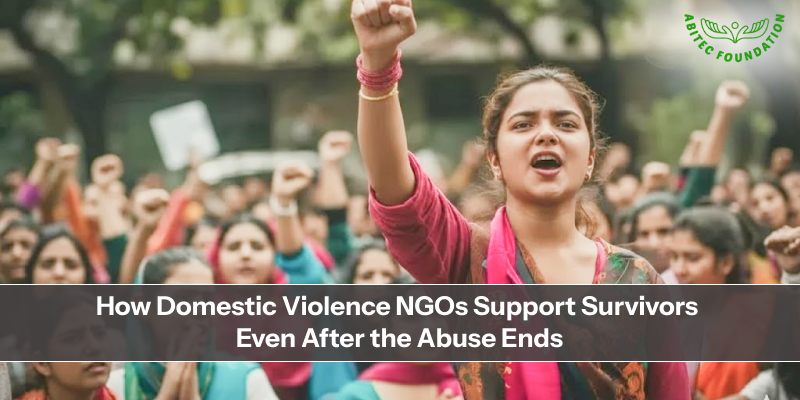
How Domestic Violence NGOs Support Survivors Even After the Abuse Ends

Domestic violence does not end just because someone leaves an abusive home. For many survivors, leaving is only the first step. The fear, confusion, financial stress, and emotional weight often stay long after the abuse stops. This is when a domestic violence prevention NGO helps survivors move forward slowly, without being pushed or judged.

For many survivors, the real challenge is not only getting out but learning how to feel free again. Healing takes time, patience, and steady support. DV NGOs understand that keeping someone safe is just the first step. They stay involved through healing, legal support, financial growth, and stability.

Life After Abuse Is Not Simple

Leaving an abusive situation is often described as a brave step, and it truly is. Still, bravery does not erase trauma overnight. Survivors may struggle with guilt, fear of being judged, or anxiety about the future. Some feel isolated after being cut off from friends or family for years. Others worry about income, housing, or legal consequences.

So, what does a domestic violence prevention NGO do? They aren’t just there for the crisis. They stay involved, helping survivors get back on their feet and feel in control of their lives again.

Emotional Healing Takes Time and Care

NGOs spend a lot of effort on emotional support. Even after the abuse stops, survivors may carry pain they can’t see and feel unsure about asking for help.

NGOs provide environments where survivors can share their stories without fear of blame. Counselors help them work through their trauma at a pace that feels right. Support groups are also very helpful because hearing from others who have faced similar situations can make survivors feel less alone.

This emotional support continues long after a survivor leaves the abusive environment. Healing is not rushed. Survivors are allowed to move forward in ways that feel right for them.

Check Out: Why Do Communities Lose Trust in NGOs and What Can Be Done About It

Practical Support That Rebuilds Daily Life

Abuse often disrupts every part of a person’s routine. Looking for somewhere to live, managing bills, or going back to work can be really stressful. Domestic violence NGOs help survivors regain control over these everyday aspects of life.

How do domestic violence prevention organizations help survivors? NGOs keep supporting survivors even after they’re safe, in different ways:

  • Support in finding stable housing and essential resources
  • Advice and training to get back on their feet financially
  • Help with things like childcare, schooling, or healthcare access

They support survivors beyond just getting through each day, helping them take steps toward a future they can feel confident about.

Legal Guidance Without Pressure

Legal stuff can feel really scary, especially when someone is already dealing with trauma. A lot of survivors don’t know their rights or worry about what might happen if they speak up. NGOs step in to explain things clearly and guide them without pushing.

Survivors are informed about their options and supported in whatever choice they make. Some may want to pursue legal action, while others may simply want advice. NGOs honor the path each survivor takes, focusing on helping them feel strong rather than trying to control them.

Who Can Reach Out for Help

Many people think that only certain survivors can get help, but abuse can happen to anyone. Who you are or where you come from doesn’t affect your right to get help.

This leads many people to ask, “Who can seek help from a domestic violence prevention NGO?” The answer is simple: anyone. If you feel unsafe, controlled, or hurt at home, you can reach out. NGOs help women, men, young people, and older adults. You don’t need visible injuries or a label. Feeling afraid or uncomfortable is enough to ask for support.

Privacy Builds Trust

Fear keeps a lot of survivors from speaking up. They worry about family finding out or being judged by their community. Confidentiality is not just a promise but a foundation of NGO work.

So, are domestic violence prevention services confidential? Yes. Survivors are supported with strict respect for privacy. Information is shared only when necessary and with consent. 

When survivors feel safe, they can talk openly and ask for help. Trust comes from knowing their stories will stay private.

Support Does Not End When the Crisis Passes

Getting out of abuse is just the first step; survivors often deal with new challenges afterward. NGO’s stick with survivors through everything. Here’s how support continues in the long run:

  • Ongoing counseling and mental health support
  • Life skills training to rebuild confidence and independence
  • Community connections that reduce isolation

Being there for survivors over time reminds them they’re not alone, even if everyone else thinks they should be moving forward.

Preventing Violence Before It Begins

Assisting survivors is just one part of what NGOs do. A big part of what NGOs do is teach people early on about healthy relationships, consent, and setting emotional boundaries. Learning about healthy relationships and boundaries can prevent cycles of abuse before they even start.

This brings up a big question: How can NGOs help prevent domestic violence before it starts? They teach people, challenge harmful beliefs, and encourage respect, which helps create safer communities over time.

Summing Up

Leaving an abusive situation is only the first step for survivors. They deserve a life where they feel safe, confident, and respected. Domestic violence NGOs stay with survivors through every step of the journey. They listen without judging, offer guidance without pushing, and provide support without conditions. If you or someone you know is starting life after abuse, reaching out can be the first step toward feeling stable and in control again. A domestic violence prevention NGO exists to remind survivors that healing is possible and support does not have an expiration date.

Looking for compassionate, long-term support rooted in understanding and dignity, consider reaching out to Abitec Foundation. We stand with survivors not just during the hardest moments, but across their entire healing journey. Talk to us today.

Frequently Asked Questions
  1. Do survivors have to leave their homes immediately to get help from an NGO?

No, support is available at any stage, even if a survivor is still deciding what steps to take.

  1. How long can a survivor receive support from a domestic violence NGO?

Support continues as long as needed, depending on the survivor’s situation and comfort level.

  1. Will an NGO force a survivor to take legal action against the abuser?

No, decisions are always survivor-led, and NGOs respect personal choices without pressure.

Categories
Domestic violence

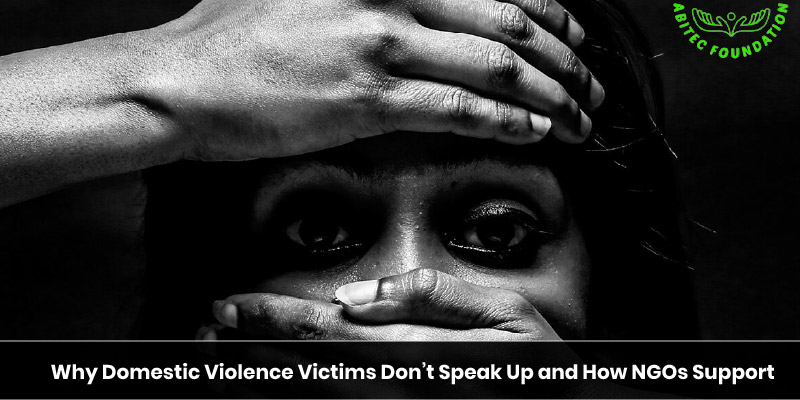
Why Domestic Violence Victims Don’t Speak Up and How NGOs Support

For survivors, speaking about abuse can be the most difficult step. Fear, embarrassment, and shame can keep even the strongest voices quiet. Support should always be there, so no one bears that silence by themselves. A domestic violence prevention NGO plays a crucial role in breaking this silence, providing both protection and practical ways to recover.

Why do survivors often remain quiet, and how do NGOs provide the support that helps them speak safely?

Fear of Not Being Believed

Many survivors keep silent because they worry people won’t believe their story. Watching others be blamed or doubted can make it even harder. Holding such a secret can feel very lonely. Imagine holding a painful secret and not knowing if anyone will really hear you. 

Emotional Ties to the Abuser

Abuse is complicated. Survivors can have strong feelings for their abuser, whether a partner, family member, or respected person. Years of manipulation and gaslighting can make these feelings confusing. Domestic violence prevention helps untangle these complex emotions and supports victims as they take careful steps towards independence.

Financial Dependence

For many, money is another chain that keeps them silent. Some survivors live with their abuser, share money, or care for children together, which can make leaving feel impossible. Abusers use money to control survivors. NGOs help by providing emergency money, housing support, and financial training. This allows survivors to feel in control and see a way ahead.

You Might Like: The Importance of Community Empowerment Foundation in Rural Areas

Shame and Self-Blame

Many survivors carry guilt, wrongly thinking they were responsible. Abuse is never their fault—it is always the abuser’s choice. NGOs help through support groups and therapy so survivors can learn it’s not their fault and start to feel better about themselves.

Fear of Retaliation

Fear keeps people from speaking. Many survivors believe their abuser will harm them, their children, or their loved ones if they speak up. The time just before or after leaving is especially dangerous. Survivors get help from NGOs to plan for safety, access legal protection, and secure safe places to stay. This means they are not alone in facing risks.

Cultural and Religious Pressures

Culture and faith can sometimes create extra barriers, discouraging people from leaving abusive relationships. Pressure to protect family or community honour can keep survivors quiet. Support organisations understand these challenges and keep survivors safe while respecting their beliefs.

Other Barriers

Survivors also face worries about how speaking out might affect their families, concerns over legal systems that feel overwhelming, and trauma-related memory gaps that make telling their story difficult. Past experiences of being dismissed often keep survivors quiet. Fears about jobs or losing community support make it worse. 

How NGOs Help Survivors Find Their Voice

Victims staying silent is not a weakness; it’s often how they protect themselves. This is why NGOs help survivors so much. They:

  • Make safe spaces where survivors can speak freely without being judged.
  • Provide support that understands trauma and helps with fear, guilt, and emotional struggles.
  • Offer help with money, housing, and legal issues to make leaving easier.
  • Run awareness campaigns to challenge stigma and shift harmful cultural norms.
  • Teach volunteers and communities to listen, believe survivors, and give real support.
  • Build survivor networks so people don’t have to face their journey alone.

Through these actions, NGOs give survivors not only resources but also dignity, reminding them that their voice deserves to be heard.

Summing Up

No matter how resilient someone may be, speaking out against abuse can feel out of reach. Fear, shame, and reliance on the abuser often keep victims silent. The impact of abuse stays long after it happens, affecting body and mind. Support services are essential to help them. A domestic violence prevention NGO can be a lifeline for survivors, changing silence into courage and fear into hope. Through belief, protection, and advocacy, NGOs help transform fear into empowerment and silence into action.

If you or someone you know needs help, reach out to Abitec Foundation today. Partner with us today!

Frequently Asked Questions

  1. What is domestic violence prevention?

It is the effort to stop abuse in homes through awareness, support, and legal protection.

  1. How can a domestic violence prevention NGO help?

They provide counselling, safe spaces, legal aid, and resources to support survivors and prevent abuse.

  1. What are some ways to prevent domestic violence in communities?

Education, awareness campaigns, support networks, and early intervention programs help reduce domestic abuse.

Donate Now

Scan QR code
Bank Details (NEFT/IMPS)
A/C No. 50200109122206
IFSC: HDFC0002694
Branch: Chandini Chowk, Cuttack
If Any Issue Please fill the Form!