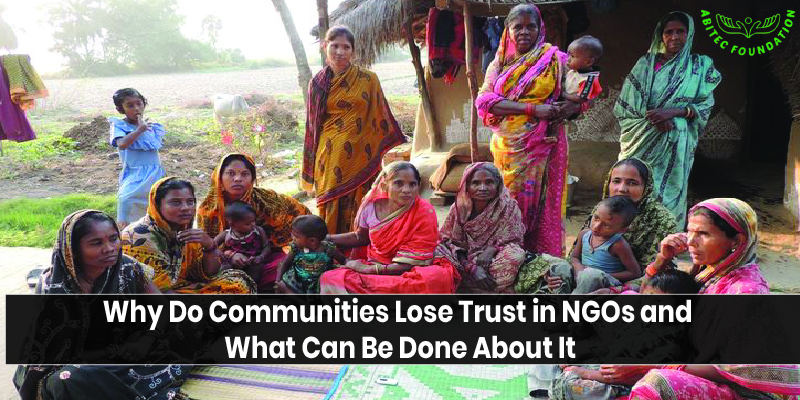
Trust isn’t something you can take for granted. Communities that have been overlooked or hurt in the past tend to be cautious around outsiders. Social justice NGOs see this a lot—people are hesitant, and it can make even the simplest efforts feel complicated.
The way forward? Take the time to really listen, ask what matters to people, and show you care. Bit by bit, trust forms, and that’s when real collaboration can happen.
When Stories Travel Faster Than Good Intentions
Picture this: an NGO arrives in a village with everything ready to go—plans, tools, solutions. Yet, before anything even starts, the community is already on guard. They’ve lived through situations where outsiders made huge promises and then disappeared halfway. Other times, it’s just a cultural mismatch. The NGO talks one way, the community lives another.
In that mix, one question comes up a lot: What role do NGOs play in influencing government policies on social equity? And honestly, if people aren’t clear about this part, they start thinking the NGO is involved in politics. That alone is enough to create a gap before any real connection forms.
The Barriers Everyone Sees, Yet Rarely Discusses
NGOs deal with challenges that people don’t really talk about openly. Even if these issues start inside the organisation, communities notice them—and that quietly affects how they feel. These are the reasons people start to distance themselves:
- Lack of clear communication
- Fear that outsiders will override local practices
- Confusion around funding and goals
- Past experiences with similar organisations
Individually, these might seem small, but together, they create a powerful story in people’s minds. That’s what leads to a deeper concern many communities carry: How do NGOs ensure transparency and accountability in their social justice work? People don’t want long, complicated answers—they just want the truth in simple words. When NGOs slow down, explain their plans, talk openly about funding, and let the community be part of the decisions, you can feel the hesitation start to lift. If that openness isn’t there, the distance between NGOs and the community only increases.
The Invisible Weight NGOs Carry
What people don’t always see is that NGOs have their own battles. They’re trying to do good while dealing with changing rules, money problems, limited staff, and unstable long-term backing. People usually don’t see all this—they only notice what happens on the surface.
So, what are the major challenges faced by NGOs working for social justice?
- Sometimes a project slows down because the government approvals drag on or policies suddenly shift.
- Other times, donor goals don’t really match the challenges the community faces every day.
- NGOs are often expected to show fast results, even though real social change takes time.
- Some ideas clash with local beliefs, which creates cultural barriers.
- Small teams get overwhelmed or burnt out, making it hard to keep things steady.
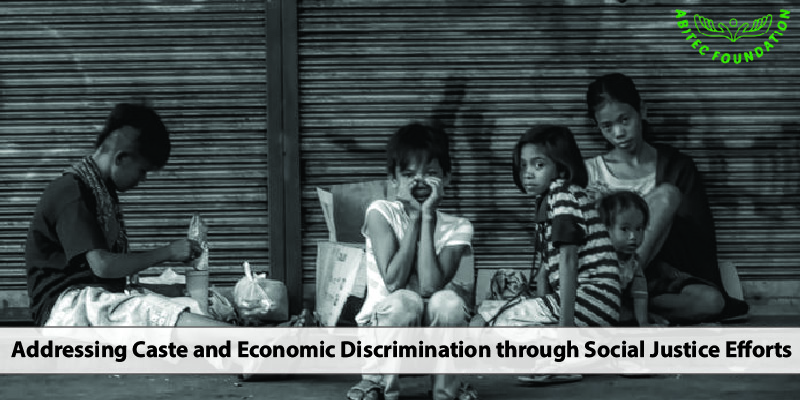
Read This Blog: Addressing Caste and Economic Discrimination through Social Justice Efforts
Building Trust Like Building a Home
Trust builds slowly, almost like stacking bricks. The NGOs that get this spend more time listening than talking, watching before they plan, and working with people instead of working for them.
Here is what usually makes a difference:
- Involving local leaders at every step
- Communicating goals in simple, relatable ways
- Allowing the community to take ownership
- Being present even after the project ends
Wondering ‘how can partnerships between NGOs and local communities enhance social justice outcomes?’ When non-profit organisations and communities work this closely, the solutions actually fit real needs instead of assumptions. When people are involved in decisions, there are fewer hurdles, and the impact ends up being much more lasting.
Once people feel like partners—not just recipients—everything shifts. Resistance fades, participation grows, and trust slowly starts to take shape.
A Crisis That Can Still Be Fixed
This crisis grows quietly because communities don’t always share their concerns. A lot of NGOs think things are on track until people quietly stop engaging. So how can NGOs effectively promote social justice in marginalized communities? It really comes down to this: say what you mean, follow through, and show up consistently.
Conclusion
This disconnect between NGOs and communities isn’t permanent. It’s more like a wake-up call. People simply want to feel seen, heard, and understood before they let anyone step in to help. Social justice NGOs that prioritise this often see their work evolve in powerful ways—because trust opens the door for real social change.
The path may not be perfect, but Abitec Foundation walks it with communities—showing up, paying attention, and taking each step side by side. Join us to create an impact that continues to grow even after the work is done.
Frequently Asked Questions
- Why is trust such a challenge between NGOs and communities?
Communities need to feel seen and heard before they trust outsiders.
- What role do NGOs play in influencing government policies on social equity?
NGOs guide policies, but people need clarity to avoid misunderstandings.
- What’s the best way for NGOs to advance social justice in marginalized communities?
By listening, being honest, including communities, and showing up consistently.